The U.S. Secret Service has found more than 700 illegal card-skimming devices through operations in the Pacific Northwest and other locations since 2023, as nationwide losses associated with skimming exceed $1 billion annually.
According to an Oct. 21 report by KIRO Newsradio, the agency is working with local law enforcement and retailers through Joint Operation Pacific Northwest to identify and remove devices from payment terminals, ATMs, and gas pumps. The effort focuses on fraud targeting recipients of government benefits, including Electronic Benefit Transfer (EBT) cards, but the threat extends to anyone using a payment terminal.
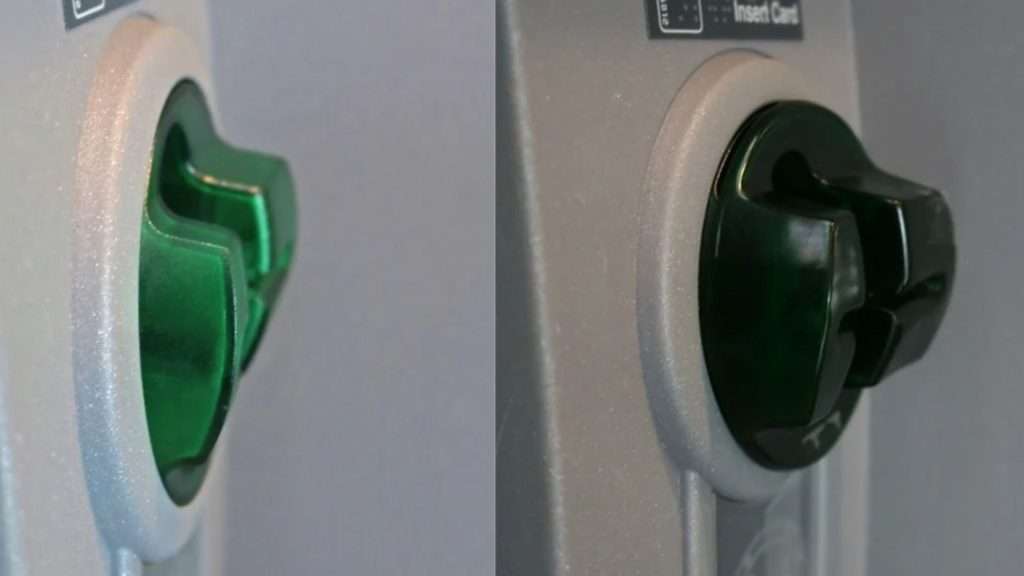
Skimming devices capture card information when customers swipe their cards. Criminals can use the stolen data to access funds or make unauthorized purchases. Because the devices can be installed quickly and may be difficult to spot, investigators are also helping retail managers learn how to inspect payment terminals.
During a recent two-day operation in Seattle, investigators visited more than 200 businesses and checked more than 100 ATMs, 300 gas pumps and 400 points of sale. Although no skimmers were found during that operation, officials said the inspections and retailer education were valuable preventive steps.
The Secret Service reported no evidence that retailers knowingly participated in the schemes. Businesses can nevertheless face customer concerns and operational disruptions when compromised devices are discovered.
Officials recommend that consumers use contactless payments whenever possible or insert a chip-enabled card instead of swiping its magnetic stripe. Customers should also look for signs of tampering, including loose or crooked components, unusual protrusions, scratches, or glue and tape residue. When using a PIN, covering the keypad can help prevent hidden cameras from recording the entry.
Michael Peck, an assistant special agent in charge with the Secret Service, emphasized the value of contactless payments: “Tap to pay. That is your number one mechanism of safety.”
Retailers can help reduce risk by routinely inspecting payment equipment and training employees to report suspicious devices promptly.