Inflation and affordability are often associated with the price of goods, but data from the U.S. Bureau of Labor Statistics and National Retail Federation analysis show that services have generally experienced greater price increases than goods over the past several decades.
According to the analysis, a comparable basket of goods that cost $1 in the 1990s would cost about $1.28 today. Durable goods, including furniture, electronics, and appliances, have become even less expensive relative to their 1996 prices, costing about 71 cents for every dollar spent then.
At the same time, services have become a larger portion of household spending. Services now account for roughly two-thirds of personal consumption expenditures, compared with goods representing a larger share of household spending in the 1960s.
Recent inflation trends also show higher increases across many service categories. Over the past three years, financial services and insurance prices increased 21.1%, while housing and utilities rose 13.3% and transportation services increased 12.4%. Over five years, housing and utilities increased 30%, while financial services and insurance rose 33%.
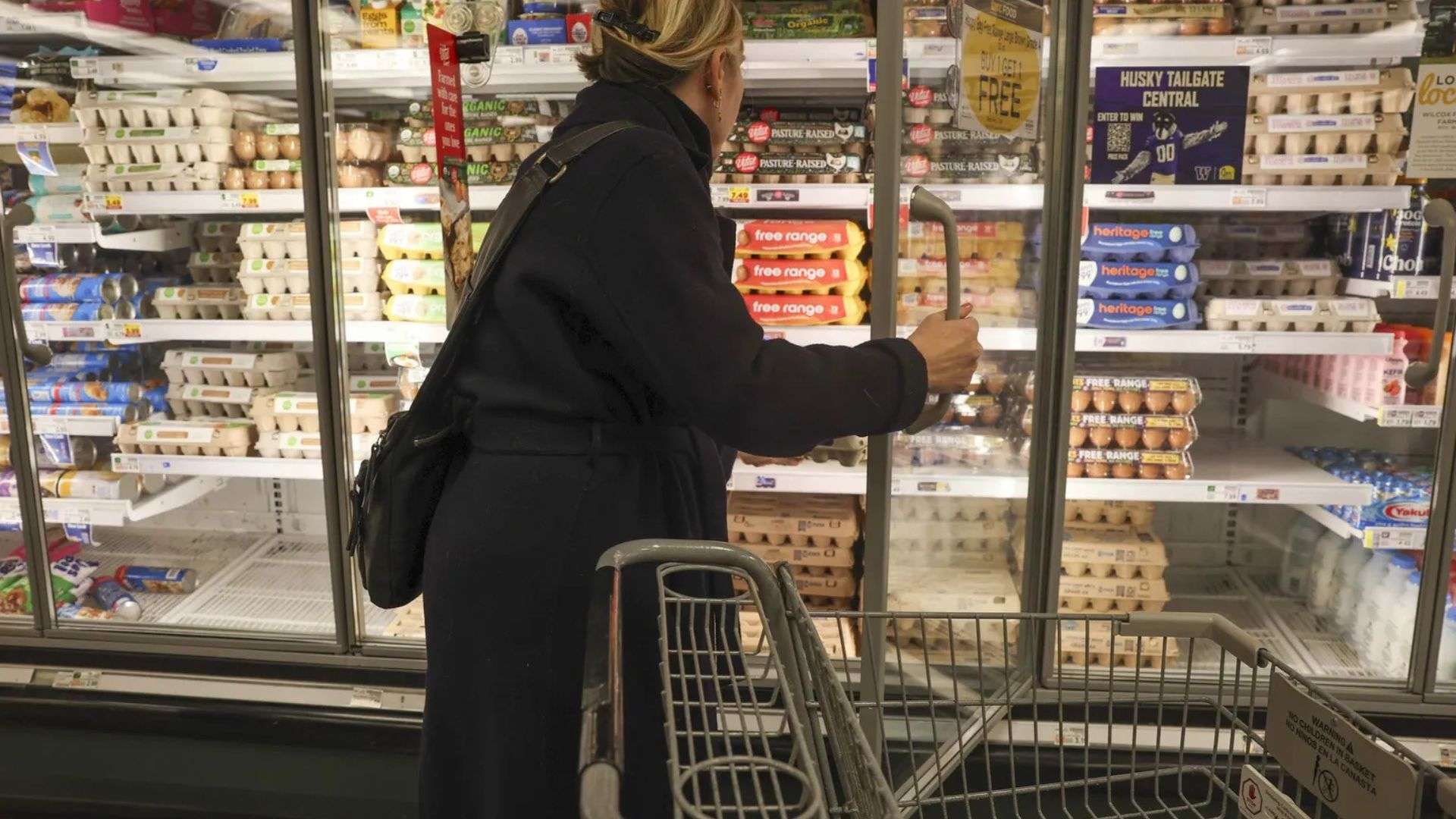
The analysis also points to the competitive nature of retail pricing. Retailers face extensive price comparisons and competition, which can limit pricing power and keep profit margins relatively low. For example, publicly traded U.S. grocers have an average net profit margin of about 1.3%, according to the analysis.
The data suggest that understanding affordability requires looking beyond retail prices to the broader costs of essential services that increasingly account for household budgets.