Recent developments in Seattle highlight an ongoing debate over how the city should address open drug use, low-level offenses, and public safety. The Seattle Police Officers Guild has raised concerns about a directive it says discourages arrests for open drug use and instead emphasizes referrals to diversion programs such as Law Enforcement Assisted Diversion (LEAD). The guild argues this approach limits enforcement options and may worsen public safety conditions, while city leadership has not publicly detailed the full scope or intent of the directive.
At the same time, newly-elected Seattle City Attorney Erika Evans took office with a platform focused on treatment, diversion, and alternative court models. A former federal prosecutor, Evans has said she plans to prioritize public safety while shifting away from what she views as ineffective or overly punitive practices. Her agenda includes working with the courts and public defense to establish a reimagined community court that combines accountability with access to services, such as treatment and structured community service.
Evans has also reiterated her intention not to charge violations of Stay Out of Drug Areas (SODA) or Stay Out of Areas of Prostitution (SOAP) orders. While judges may still issue such orders, her office would not pursue new criminal charges solely for violating them. Supporters see this as a move away from banishment-based enforcement, while critics argue it could weaken tools used to disrupt open-air drug activity and commercial sexual exploitation.
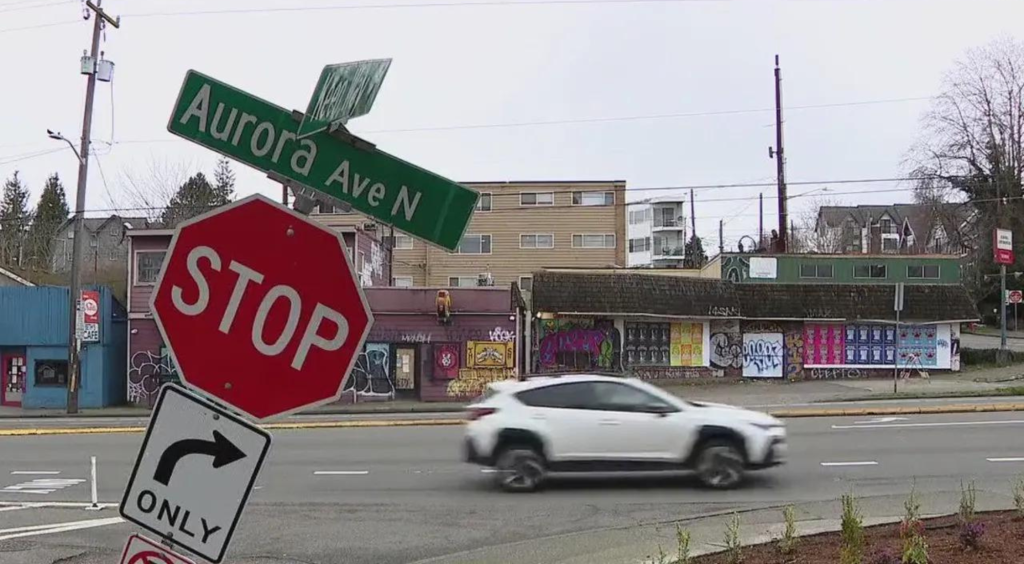
Editorial commentary and law enforcement voices have emphasized concerns about human trafficking and neighborhood safety, particularly along Aurora Avenue North. Advocates for SOAP orders argue they help target buyers and traffickers rather than exploited individuals, while Evans has called the policies discriminatory and has urged a focus on alternative strategies.
Together, these developments reflect a broader policy shift and a continuing conversation about balancing enforcement, treatment, accountability, and community impact in Seattle.