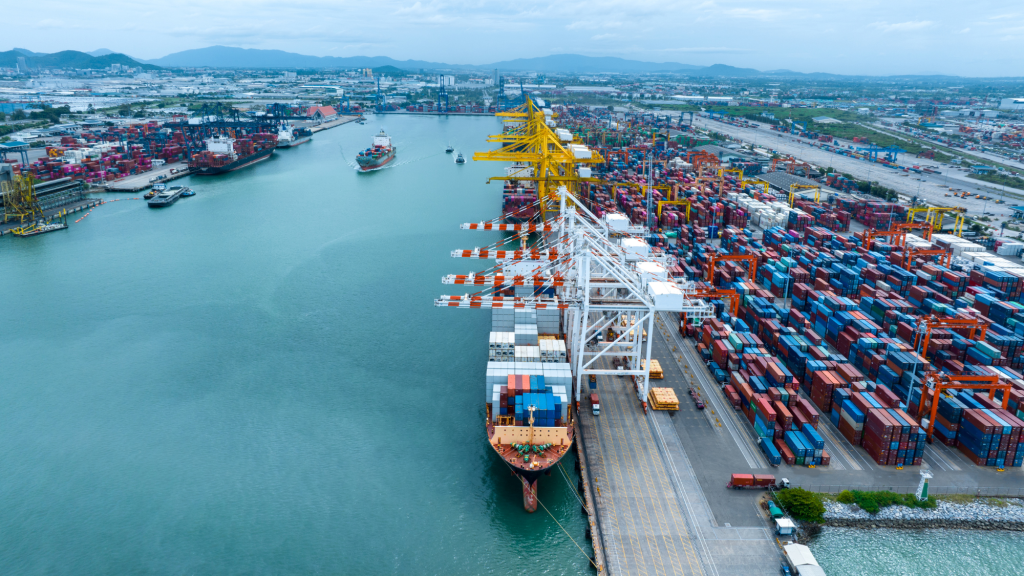
Retail supply chains continue to navigate a period of ongoing disruption driven by global events, shifting trade policies, and geopolitical tensions. Over the past decade, retailers have faced challenges ranging from tariffs on Chinese goods and the COVID 19 pandemic to shipping disruptions in the Red Sea and renewed instability in the Middle East.
Recent developments have added uncertainty. According to the National Retail Federation, import cargo at major United States container ports is expected to remain below 2025 levels during the first half of 2026. The forecast reflects continued volatility in trade policy and global markets. In January, United States ports handled 2.08 million twenty-foot equivalent units, down 6.4 percent from the same time last year.
Trade policy remains a key factor in shaping supply chain planning. The Supreme Court recently struck down tariffs imposed under the International Emergency Economic Powers Act. At the same time, new tariffs have been announced under other federal trade authorities, creating continued uncertainty for retailers and importers.
Geopolitical tensions, including the situation involving Iran, are also being closely monitored for potential impacts on shipping costs, energy prices, and consumer spending.
In response, retailers are strengthening contingency planning, diversifying suppliers, and investing in technology that improves supply chain visibility. Industry leaders emphasize that resilience, collaboration, and proactive planning will remain essential as retailers navigate an increasingly unpredictable global supply environment.