Portland Mayor Keith Wilson ran on the pledge to create 1,500 units of housing in 25 shelters to address the city’s homelessness crisis. At the time, Danny Westneat, columnist for The Seattle Times, wrote that Seattle would not dare take the bold action being undertaken by our “sister-city-in-suffering to the south.”
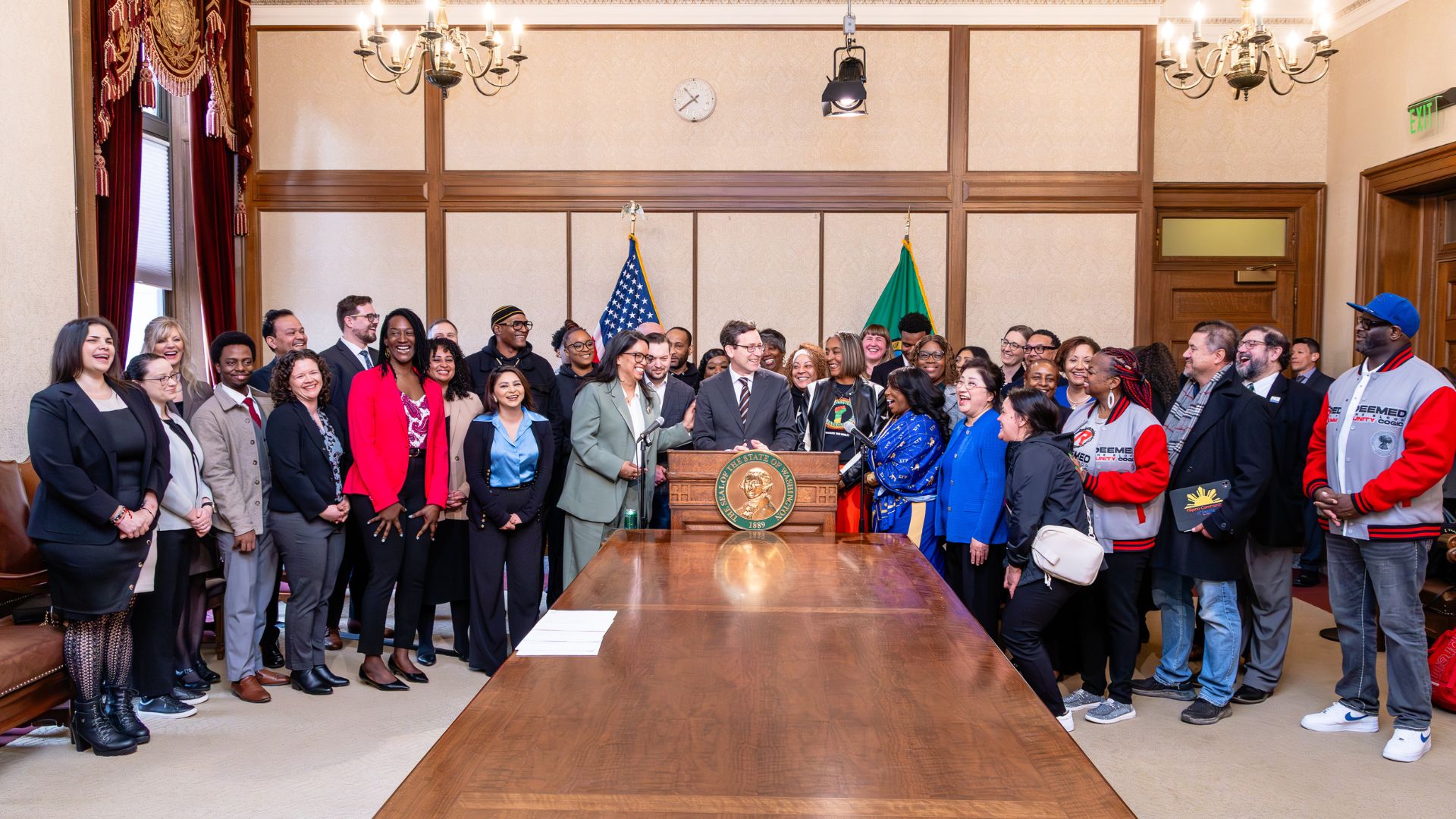
A year later, Westneat checked in on the situation in Portland, in part because Seattle’s Mayor, Katie Wilson, pledged to create 4,000 units to house the homeless. As a first step, on January 15, Seattle’s Mayor Wilson signed an executive order to expedite the creation of housing for the homeless and provide behavioral health services in city-funded shelters.
So how has the “enforced compassion” approach to housing the homeless gone in Portland? The Mayor has more than doubled the city’s shelter capacity, developing 1,200 beds of overnight shelter and “another 400 or so ‘flex’ beds (locations where beds can be added if needed).”
One nonprofit provider complimented the Mayor’s effectiveness by telling The Oregonian newspaper “[h]e has opened these shelters and gotten them going with a success that has surprised me, because I’m not used to seeing that kind of follow through.”
While the Mayor and city government have created a lot of new beds, the number of homeless has actually grown over the past year. According to The Oregonian:
It’s not entirely clear how many beds will be “enough” so long as that number remains smaller than the number of people living outside. The mayor’s supporters say his plan to open new shelters and day centers, ramp up the city’s camping ban enforcement and ultimately increase affordable housing availability can work if he stays the course. Meanwhile, Wilson’s laser-like focus this year on shelter beds has eroded some of his support with homeless services providers and his recent push to enforce the city’s camping ban has weakened his backing on City Council.
One impact of Portland’s enforcement of its camping ban was reported by The Willamette Weekly. Police and outreach workers contacted 101 people in the first 5 days, discovering that 39 had outstanding arrest warrants. According to Deputy Chief of Staff Taylor Zajonc “[w]e’ve found far more people than we expected ‘hiding in plain sight’ with open warrants.”
How will Seattle’s Mayor Wilson fare as she attempts to reduce homelessness here? One key difference is that she has pledged to not use police-led enforcement of camping bans. Instead, she is relying on new emergency shelters and transitional encampments. Only time will tell if those efforts succeed.