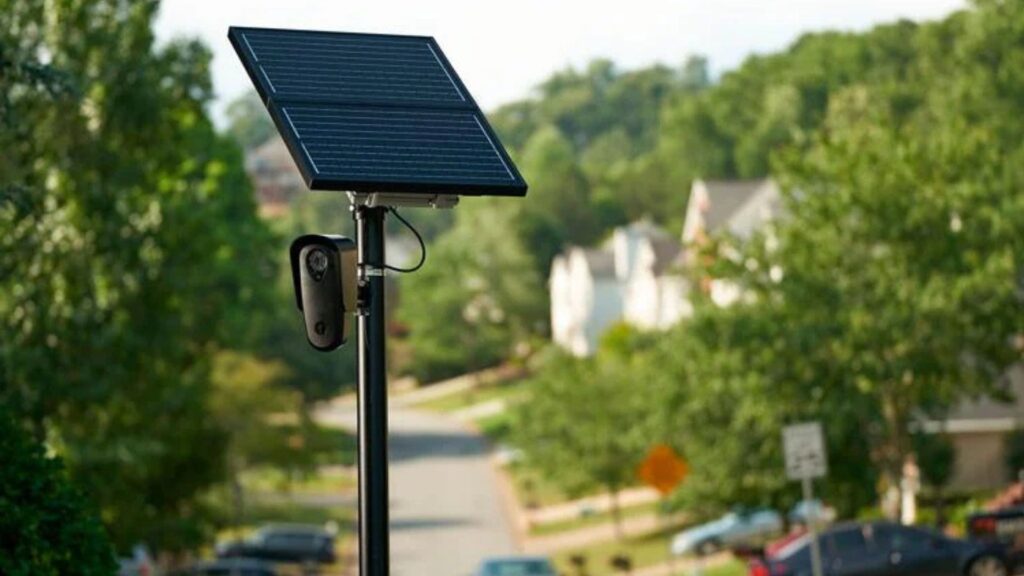
In Olympia and Redmond, Washington, city leaders have moved to halt the use of Flock Safety automated license plate reader (ALPR) cameras amid growing privacy and data-access concerns.
On December 3, 2025, Olympia officials suspended a two-year pilot program that began in August 2024. Interim Police Chief Shelby Parker recommended the suspension, citing the importance of community trust and the need to reassess potential risks to privacy, data access, and the city’s status as a sanctuary city. All 15 cameras have been hooded and are being deactivated while the city evaluates broader system vulnerabilities and developments at the state and federal levels.
Redmond previously paused its 24 Flock cameras after U.S. Immigration and Customs Enforcement agents arrested multiple people near camera locations. Although Police Chief Darrell Lowe said ICE never had access to Redmond’s data, city officials expressed concern that courts could later require disclosure. The council opted to keep the system disabled while seeking legal review of terminating the contract, particularly in light of a court ruling that Flock data is a public record and a University of Washington report showing federal immigration agencies accessed other cities’ ALPR data without local departments’ knowledge.
At the state level, lawmakers are also moving to establish new guardrails for ALPR use. Senator Yasmin Trudeau is advancing legislation that would set statewide standards for how long agencies may retain license plate data and how that information can be shared. The draft proposal would significantly shorten retention time and require specific safeguards around interagency access.
As local governments pause their ALPR programs and statewide policy discussions take shape, Washington is entering a pivotal conversation about how to balance effective public safety tools with privacy, transparency, and community trust. WR will continue monitoring these developments at both the state and local level.