Seattle Mayor Katie Wilson moved ahead on a couple of policies that impact retailers operating in the city.
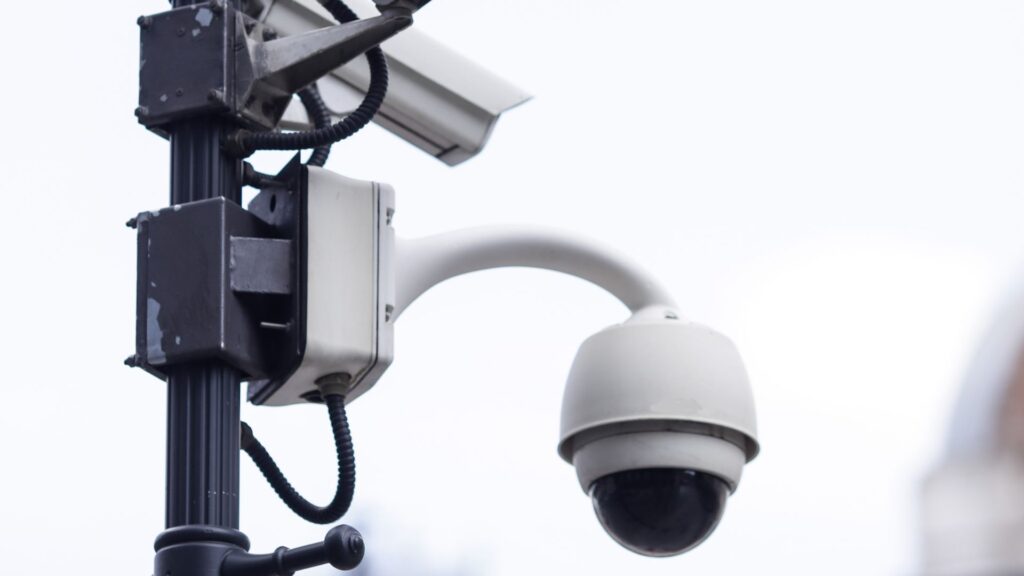
During the campaign, Mayor Wilson expressed concern about Mayor Harrell’s planned expansion of surveillance cameras, reflecting the fears of some that the information collected could end up in the hands of ICE and other federal agencies. Indeed, in July 2024, the city’s surveillance working group urged the city to not install police surveillance cameras.
The Mayor chose to keep operating existing surveillance cameras and install – but not turn on – 26 new cameras in the area south of downtown. The Mayor said they could be activated if a “credible threat” arises that justifies their use, like an attack during the FIFA World Cup.
The City will also contract with researchers at New York University’s Policing Project to conduct a “privacy and data governance audit” to determine whether to expand the use of surveillance cameras. The researchers expect to complete the audit after a few months.
“I think that if, the audit comes back and says everything’s totally secure, we’re not at all worried about this data getting into the hands of federal government I think likely my decision at that point would be to move forward with the expansion of the pilot,” Wilson explained. She added that the question of whether “we want to live in a society where there’s cameras on every corner” is legitimate.
Finally, the Mayor ordered the Seattle Police Department (“SPD”) to switch off its Automated License Plate Reader (“ALPR”) systems installed on 400 patrol cars and 6 parking enforcement vehicles. A new state law prohibits the use of ALPR systems around schools, courthouses, and other locations. The SPD will study whether it can geofence the technology around prohibited locations.
And, in a first step on her commitment to begin addressing homelessness, Mayor Wilson sent three pieces of legislation to the City Council. One bill would provide $5 million to build new tiny house villages. Another would authorize the City to lease and prepare land for future shelters. The third bill could trigger more scrutiny. It would expand the size of tiny house villages from the current limit of 100 people to 250 residents.
The Mayor has set the goal of creating 500 new shelter beds before the World Cup arrives in June and another 500 before the end of the year. She has also set a 4-year goal of creating 4,000 new beds for the homeless.