Image: The Olympian
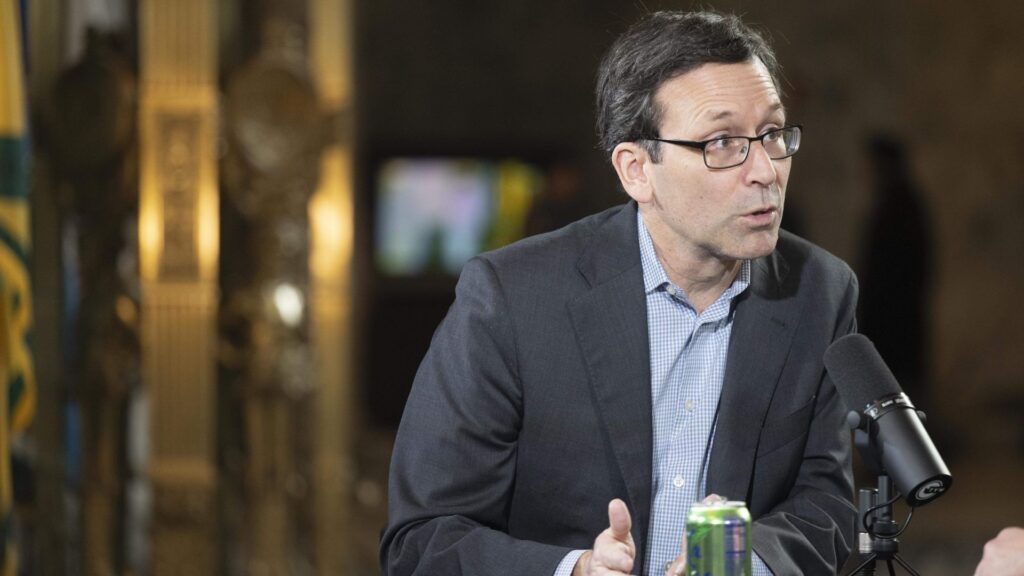
Washington lawmakers continue to debate a proposed tax on high earners after Gov. Bob Ferguson said he could not support the current version of the legislation without changes focused on affordability for residents.
The proposal, SB 6346, would impose a 9.9% tax on annual income above $1 million beginning Jan. 1, 2028. Legislative sponsors estimate the measure would generate about $3.7 billion annually and apply to fewer than 1% of Washington households. Supporters argue the tax would address what they describe as a regressive tax structure and provide funding for public schools, health care, and other public services.
Ferguson called the draft legislation a good starting point but said it does not yet direct enough revenue back to Washingtonians. He has emphasized priorities such as expanding the Working Families Tax Credit, increasing direct tax relief, and helping make everyday costs more affordable. Lawmakers included provisions to eliminate sales tax on certain hygiene products and to expand small business relief, including a business and occupation tax exemption for businesses grossing less than $250,000 beginning in 2029.
Democratic leaders said they were surprised by the governor’s public comments but acknowledged ongoing discussions about revisions. They note that Washington is one of nine states without an income tax and that lower income households pay a larger share of their income in state and local taxes than higher earners.
Republican lawmakers and business groups remain skeptical. They argue voters have historically rejected income taxes and warn that a tax initially aimed at high earners could eventually expand. Business advocates also caution that Washington’s tax structure has been part of the state’s economic competitiveness.
With the legislative session ending March 12, discussions are expected to continue as lawmakers and the governor work toward potential changes.