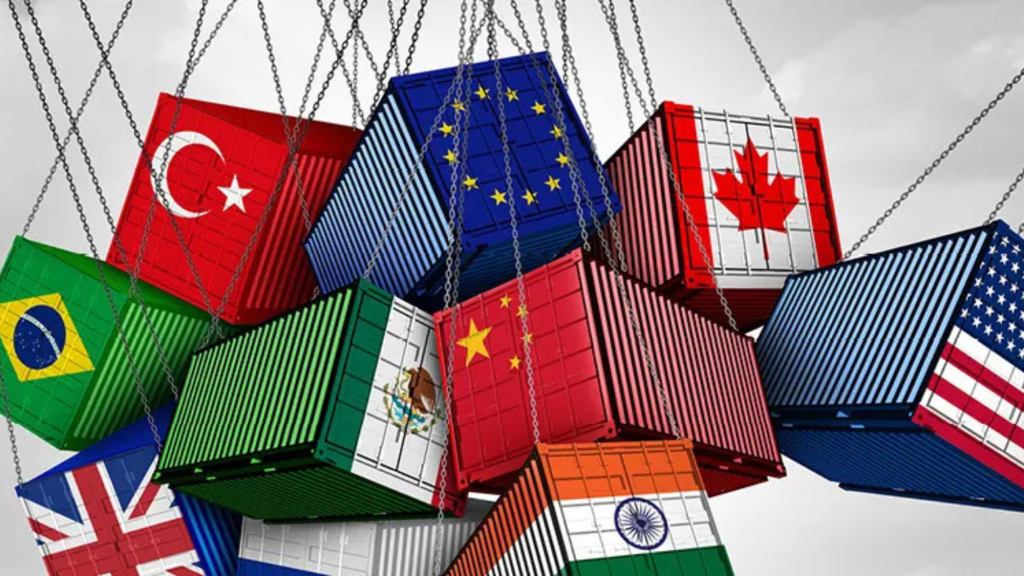
The United States Supreme Court ruled 6 to 3 that tariffs imposed under the International Emergency Economic Powers Act exceeded presidential authority. The decision concludes that the 1977 law does not authorize a president to unilaterally impose broad tariffs during a declared national emergency.
Chief Justice John Roberts wrote that the statute’s reference to regulating importation does not clearly grant the power to levy tariffs. The majority also relied in part on the major questions doctrine, finding that decisions of vast economic and political significance require clear direction from Congress. The court emphasized that Congress has historically delegated tariff authority through explicit statutes with defined limits.
The ruling leaves unresolved whether importers could receive refunds for tariffs already collected, estimated at more than $200 billion in 2025. In dissent, Justice Brett Kavanaugh argued that tariffs are a traditional tool for regulating imports and that the statute provided sufficient authority. He also noted that other federal laws may permit future tariff actions with additional procedural steps.
Retailers and importers are watching closely, as the decision may reshape the legal framework for trade policy and influence future executive actions affecting supply chains and consumer costs. The National Retail Federation (NRF) called the ruling “much-needed certainty” for U.S. businesses and manufacturers. In a statement, Executive Vice President of Government Relations David French said the decision will help global supply chains operate without ambiguity and urged that lower courts ensure a seamless process to refund previously collected tariffs. “The refunds will serve as an economic boost and allow companies to reinvest in their operations, their employees, and their customers,” French said.