With the 2026 FIFA World Cup approaching, leaders are focused not only on hosting matches but also on creating long-term economic and community benefits for the region. Under the direction of Peter Tomozawa, SeattleFWC26 is advancing legacy projects tied to arts, infrastructure, and small business engagement.
Plans include a Unity Loop walking trail connecting Lumen Field and Seattle Center, decorative flag installations, and small neon signs for storefronts to encourage visitor exploration of neighborhood business districts. Organizers also intend to launch a global innovation forum in 2027 to sustain momentum beyond the tournament.
Seattle is scheduled to host four group stage matches and two knockout matches. Visit Seattle estimates the event could generate at least $929 million in economic impact for King County, including more than $100 million in state and local tax revenue. Approximately 750,000 visitors are expected.
State lawmakers allocated $46.6 million for preparations, including $19.4 million for stadium upgrades and $22.6 million for transportation investments. In addition to the Seattle Center, fan zones are planned in communities across Washington.
Major gathering spaces will include Seattle Center, Pacific Place, Waterfront Park, and Victory Hall in SODO. Programming will feature large viewing screens, cultural performances, interactive activities, and family-friendly spaces. Most locations plan to operate throughout the tournament, not only on Seattle match days, with combined capacity reaching about 15,000 attendees at peak times.
Organizers say the distributed approach is designed to spread economic activity across neighborhoods and create opportunities for local vendors and small and BIPOC-owned businesses. Additional activations are planned downtown and in neighborhoods such as the Chinatown International District and Central District.
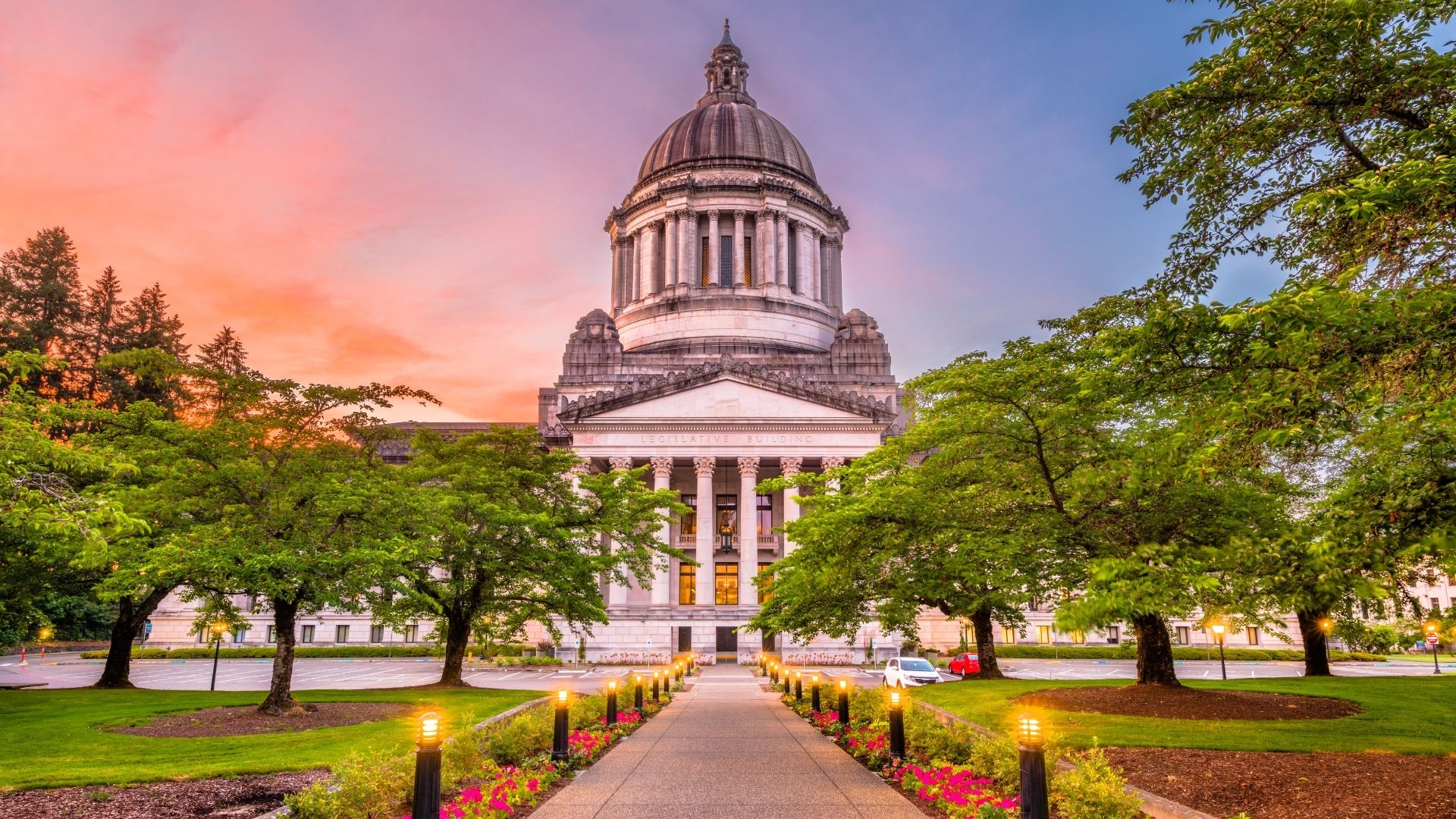
Beyond Seattle, nine official fan zones are planned statewide, including in Bellingham, Bremerton, Everett, Olympia-Lacey, Spokane, Tacoma, Tri-Cities, Vancouver, and Yakima, extending potential economic and tourism benefits to communities across Washington.