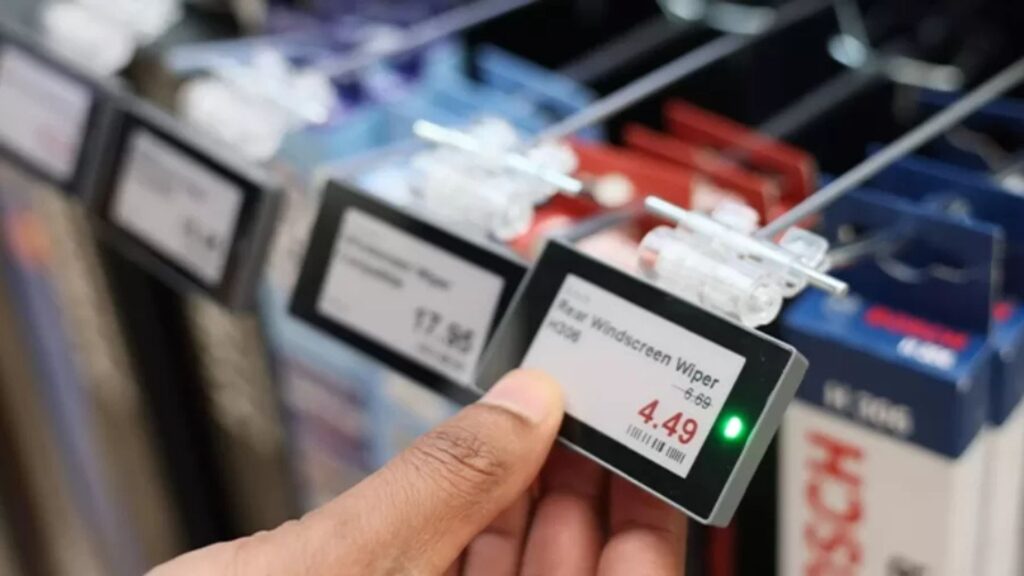
As policymakers examine so-called algorithmic pricing, national retail leaders are urging a fact-based conversation about how digital pricing tools are actually used in stores and online.
Industry representatives argue that modern pricing technology is largely an extension of long-standing retail practices. Retailers have always considered costs such as rent, wages, transportation, inventory levels, and competitor prices when setting prices. Digital tools now allow those calculations to be performed more quickly and accurately, often with human oversight.
Supporters say these systems are primarily used to offer targeted discounts, loyalty rewards, checkout coupons, and markdowns designed to move inventory efficiently. They also note that electronic shelf labels help improve price accuracy, reduce errors at checkout, and support e-commerce fulfillment.
Critics have raised concerns about transparency and potential harm to consumers. Retail advocates respond that existing state and federal laws already prohibit price fixing, deceptive practices, discrimination, and price gouging. More than 40 states enforce price gouging protections, and numerous privacy laws regulate the collection and use of personal data.
For members of WR, the debate underscores the importance of clear communication about pricing practices. As technology evolves, retailers continue balancing innovation, competition, and consumer protection in a highly transparent marketplace.