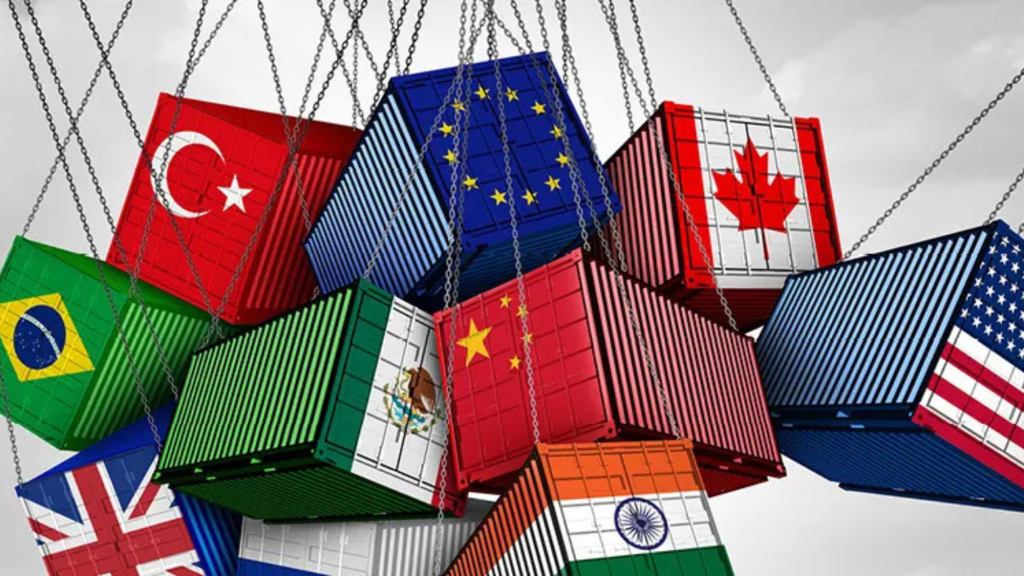
Recent analyses from the Federal Reserve Bank of New York and other research groups indicate that U.S. businesses and households are absorbing the majority of costs associated with tariffs implemented in 2025.
According to New York Fed researchers, tariffs introduced in April 2025 increased the average tariff rate from 2.6% to 13% by year end. Import prices for affected goods rose about 11% more than prices for untaxed goods. The report concludes that U.S. firms and consumers bore nearly 90% of the added costs.
Additional findings from the Kiel Institute for the World Economy estimate that 96% of tariff costs have been paid domestically, with about $200 billion in revenue generated in 2025. The Tax Foundation reported the average household paid about $1,000 in higher costs last year, with that figure projected to rise to $1,300. The Yale Budget Lab estimates a 1.3% short-term price increase and a $1,751 annual household impact, along with a 0.4 percentage point reduction in gross domestic product growth.
Separately, Boston Consulting Group noted that the share of U.S. imports covered by tariffs increased from 13% to 61% in 2025, potentially affecting trade flows and supply chains.