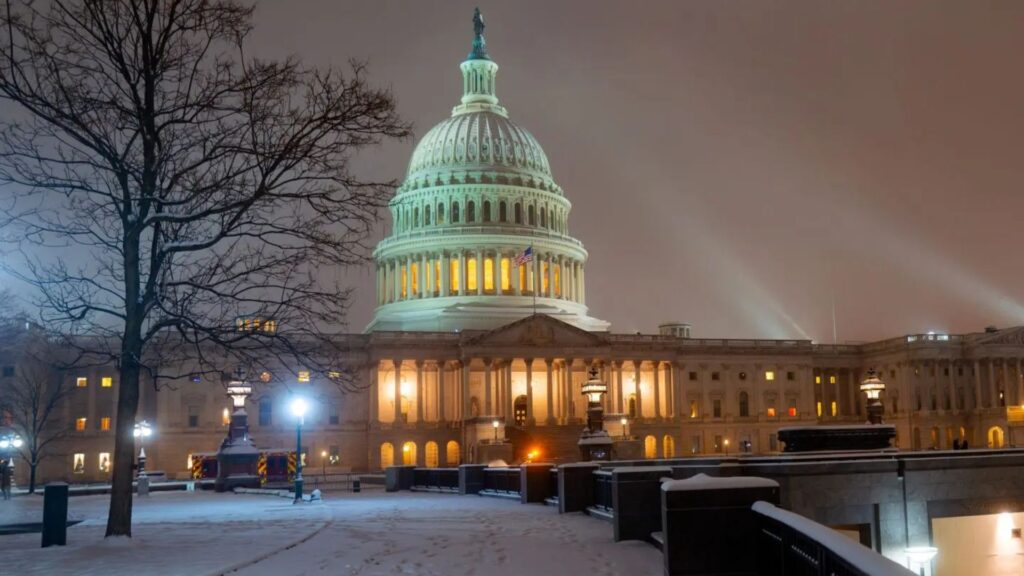
As Congress enters a pivotal election year, the National Retail Federation (NRF) has identified several federal policy priorities expected to shape the retail landscape in 2026. With dozens of lawmakers retiring or seeking other offices and narrow margins in both chambers, the legislative environment is expected to remain highly competitive and closely divided. NRF notes that these dynamics will influence how and when retail policy advances, while reinforcing the need for consistent advocacy regardless of party control.
Combating organized retail crime remains a top concern. Retailers continue to face coordinated theft and violence that extends beyond local jurisdictions, despite significant investments in prevention and partnerships with law enforcement. NRF is supporting federal legislation aimed at addressing organized retail crime by improving coordination, enforcement tools, and penalties for criminal networks operating across state and national borders.
Swipe fees are another major focus. Credit card interchange fees reached a record $187.2 billion in 2024, representing one of the largest costs for many retailers after labor. NRF continues to advocate for the Credit Card Competition Act as a market-based approach to increasing competition in the payments system and reducing costs for businesses and consumers.
Trade and tariffs are also central to NRF’s agenda. More than $200 billion has been collected in tariff revenue since early 2025, with costs largely absorbed by U.S. businesses. NRF is calling for clearer and more predictable trade policy frameworks that support supply chain stability, business planning, and consumer affordability, particularly as the Supreme Court considers questions related to presidential trade authority.
Workforce and immigration policy remains critical for the retail industry, the nation’s largest private-sector employer. NRF supports bipartisan immigration reforms that modernize work visa programs, provide stability for authorized workers, and ensure access to a lawful and reliable workforce.
Additional priorities include addressing the phaseout of the penny, which has created cash-handling challenges for retailers, and shaping artificial intelligence policy. As AI adoption accelerates, NRF is urging policymakers to pursue risk-based, consumer-protective approaches that avoid a fragmented state-by-state regulatory landscape.