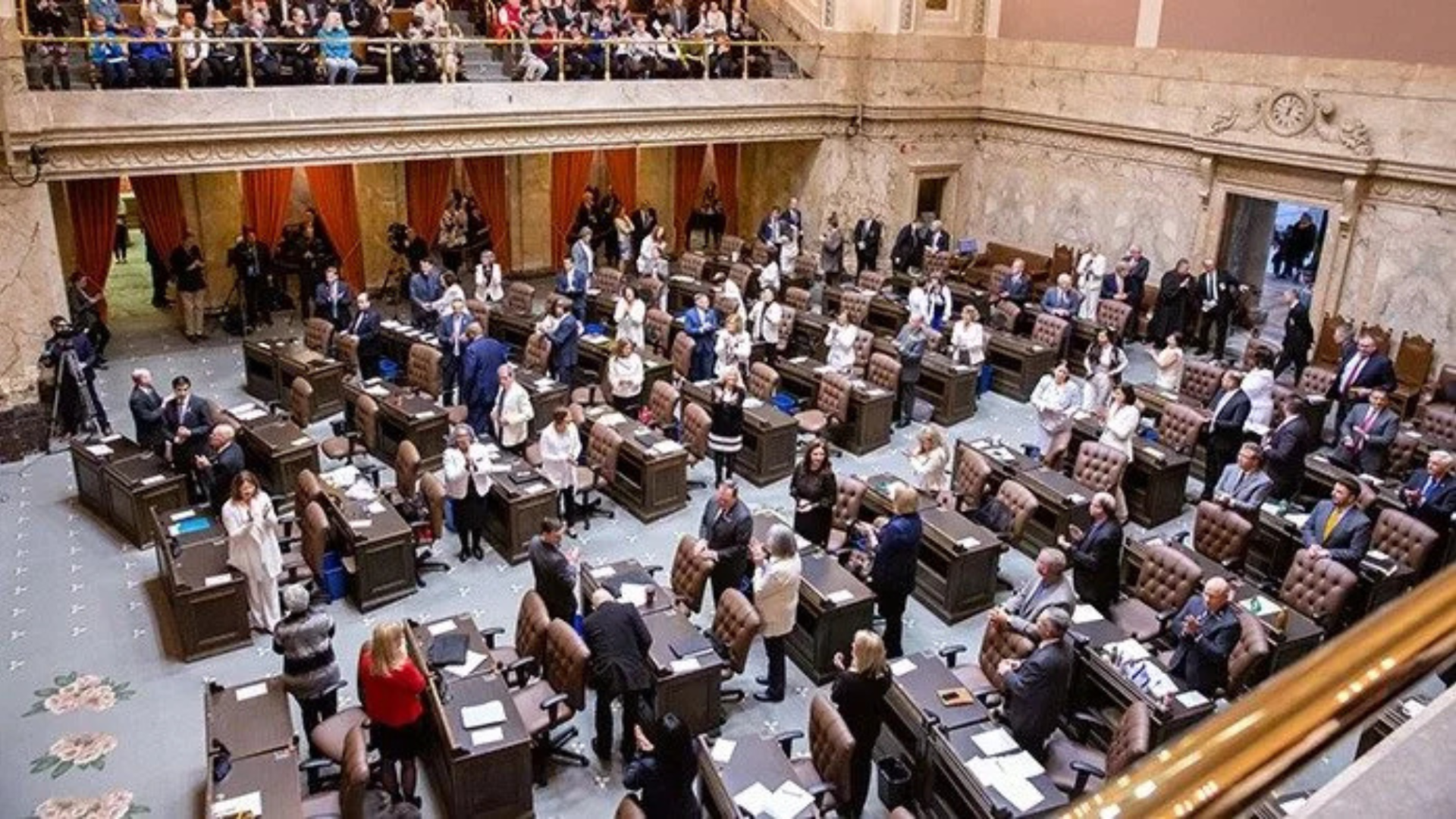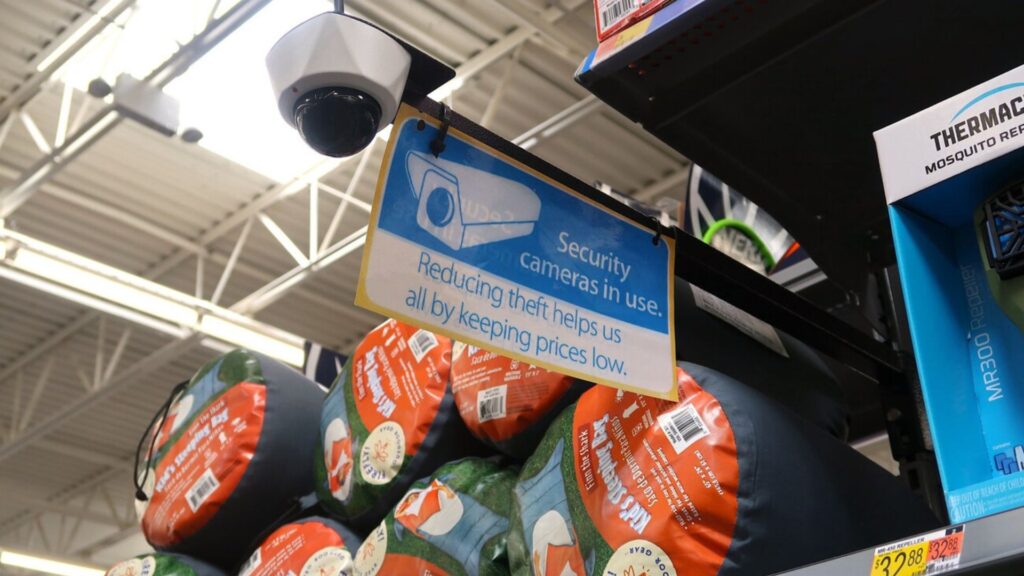
Organized retail crime (ORC) continues to affect retailers of all sizes and the customers they serve, prompting renewed attention from Congress. In January, the House Judiciary Committee advanced H.R. 2853, the Combating Organized Retail Crime Act, a bipartisan measure aimed at improving coordination among law enforcement agencies at the federal, state, and local levels.
The legislation would establish a coordinated crime center within Homeland Security Investigations. The goal is to strengthen information sharing across jurisdictions, enhance investigative capacity, and build on actions already taken by states to address retail theft networks that often operate across city and state lines. Supporters say a centralized approach would help law enforcement respond more effectively to increasingly sophisticated criminal activity.
According to the National Retail Federation (NRF), organized retail crime has evolved beyond traditional shoplifting. Criminal groups are now engaging in a range of activities, including digital and e-commerce fraud, phone scams, cargo theft, and supply chain disruptions. In its 2025 report on theft and violence, the federation found that more than half of surveyed retailers reported increases in several of these categories over the prior year, with phone scams and online fraud showing particularly sharp growth.
NRF has submitted formal statements in support of federal action and has emphasized the impact of organized retail crime on store safety, inventory losses, and consumer prices. The organization has encouraged the full House to consider the bill and urged the Senate to act if it advances.
For retailers, the legislation represents a potential step toward more consistent enforcement and better coordination across jurisdictions. As Congress continues to debate the proposal, the issue of organized retail crime remains a key policy topic for the retail industry nationwide.