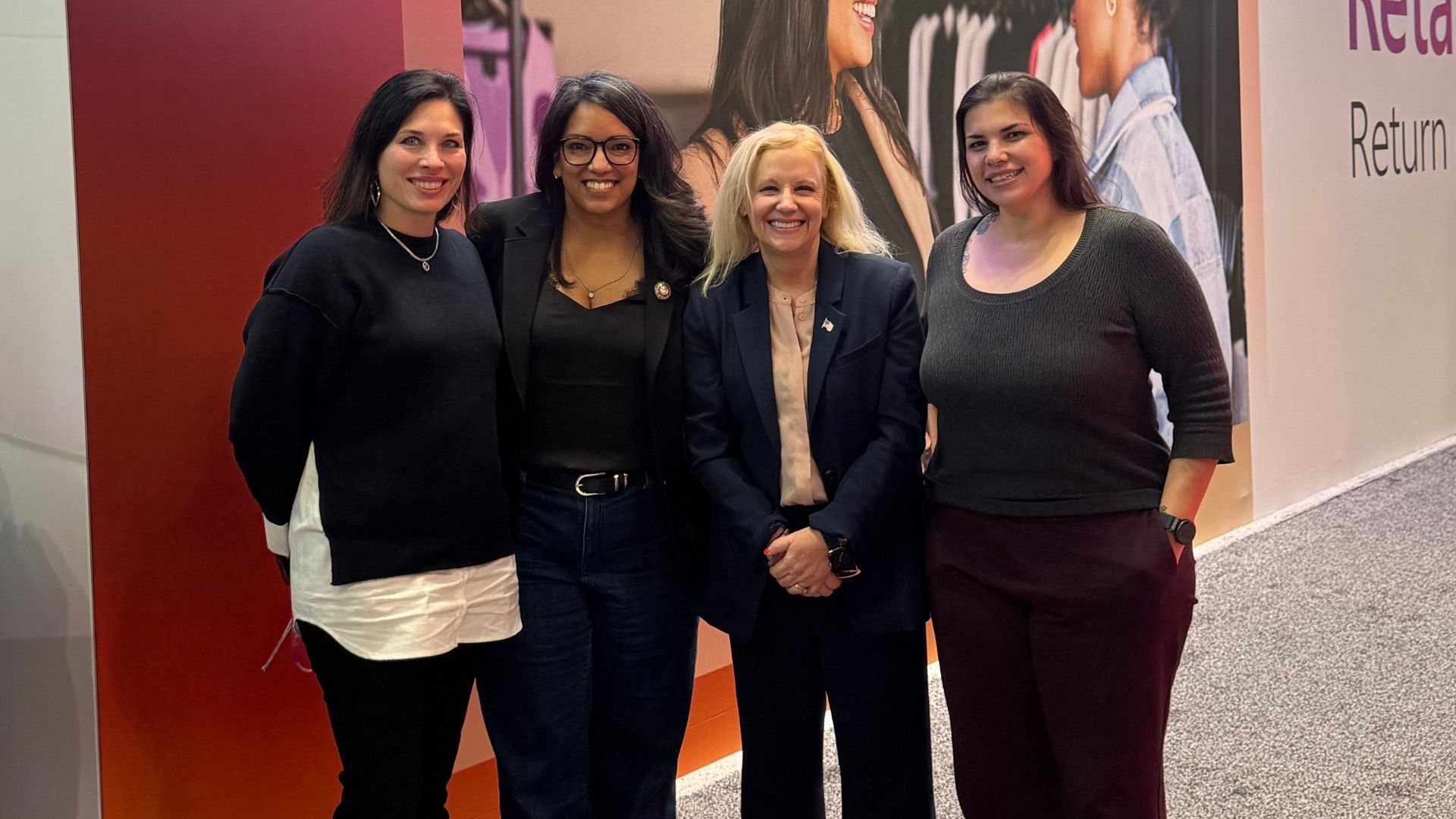
Extended Producer Responsibility (EPR) for textiles remains an active and evolving policy discussion in Washington. HB 1420, sponsored by Rep. Kristine Reeves (D-30), was introduced during the 2025 legislative session and has returned for consideration in 2026.
During the interim, WR, along with key stakeholder groups, engaged with legislators and policy staff to help deepen understanding of the complexity of textile waste, global supply chains, and potential program design. WR appreciates Rep. Reeves’ collaborative, stakeholder-driven approach, which has helped improve the proposal and advance the conversation. However, significant concerns remain, and WR believes additional time is needed before Washington moves forward with a statewide textile EPR program.
Learning From California
California was the first state in the nation to enact a textile EPR law (SB 707). As implementation begins, the state is encountering challenges standing up the program, highlighting the complexity of textile EPR and the potential for unintended consequences. Washington has an opportunity to learn from California’s experience, both what works and where challenges have emerged, before advancing a similar framework.
HB 1420 Still Needs Work
While the changes in HB 1420 reflects meaningful stakeholder engagement, key questions remain around:
- Program feasibility and cost impacts
- Administrative complexity
- Infrastructure readiness and market capacity
- Potential impacts on consumers and small businesses
Given these unresolved issues, in addition to the time constraints of a short 60-day session, WR believes Washington should pause and learn from California’s rollout before moving ahead and do more robust stakeholder work after.
Looking Ahead
WR will continue to engage constructively on HB 1420 and appreciates Rep. Reeves’ thoughtful approach. Ongoing dialogue and real-world lessons from other states will be essential to ensuring any future textile EPR policy is workable, effective, and avoids unintended consequences.