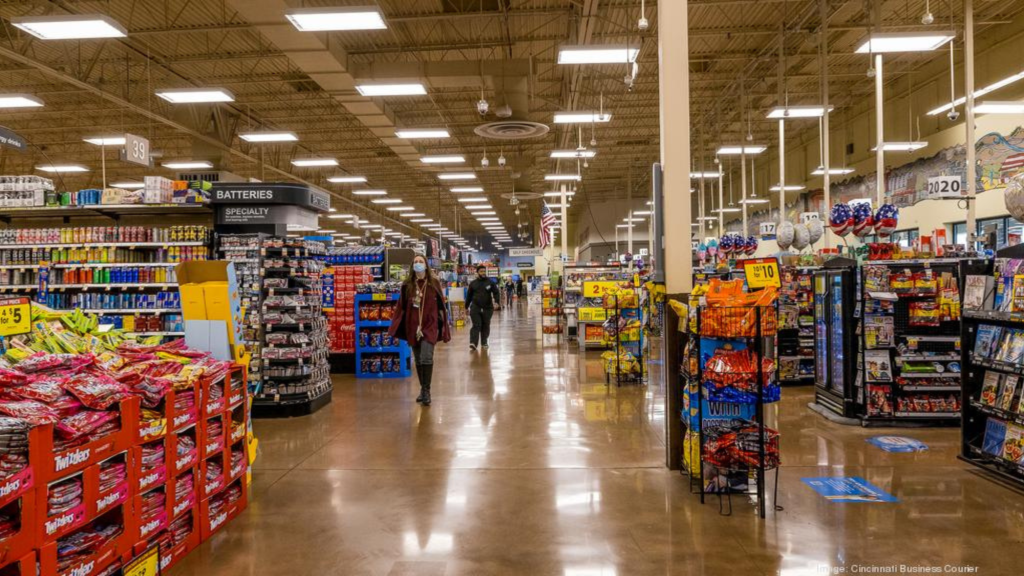
Kroger, the nation’s largest grocery chain, plans to close about 60 stores nationwide over the next 18 months, affecting an estimated 6,000 to 9,000 employees. The closures represent roughly 2 percent of the company’s footprint and span at least eleven states, including Washington, where six Fred Meyer and QFC locations are scheduled to shut down by October.
Company leaders have cited ongoing challenges with store performance and retail shrinkage as contributing factors. Industry data from the National Retail Federation estimates total retail shrinkage reached $112.1 billion in 2022, although that figure includes theft as well as operational and vendor losses. Only a portion of shrinkage is attributed to external theft.
Local officials in some communities have questioned whether crime trends fully explain the closures. In Everett, police reported a significant decline in shoplifting at one affected location over the past several years. Kroger has said it continues to invest heavily in safety and security but maintains that certain stores are no longer sustainable.
The restructuring follows leadership changes and the collapse of Kroger’s proposed $24.6 billion merger with Albertsons, which was blocked by state and federal courts over competition concerns. The two companies are now engaged in legal disputes related to the terminated deal, including a $600 million termination fee.
Kroger has stated that employees at closing stores will be offered transfer opportunities, though unions note that transfers can involve longer commutes or changes in hours and seniority. Community leaders have also raised concerns about reduced access to groceries in neighborhoods that may lose their only full-service store.
At the same time, Kroger plans to open approximately 30 new stores, expand digital operations, and invest up to $3.8 billion in capital improvements in 2025. The company characterizes the strategy as a realignment toward long-term efficiency and growth, while communities continue to assess the local impacts.