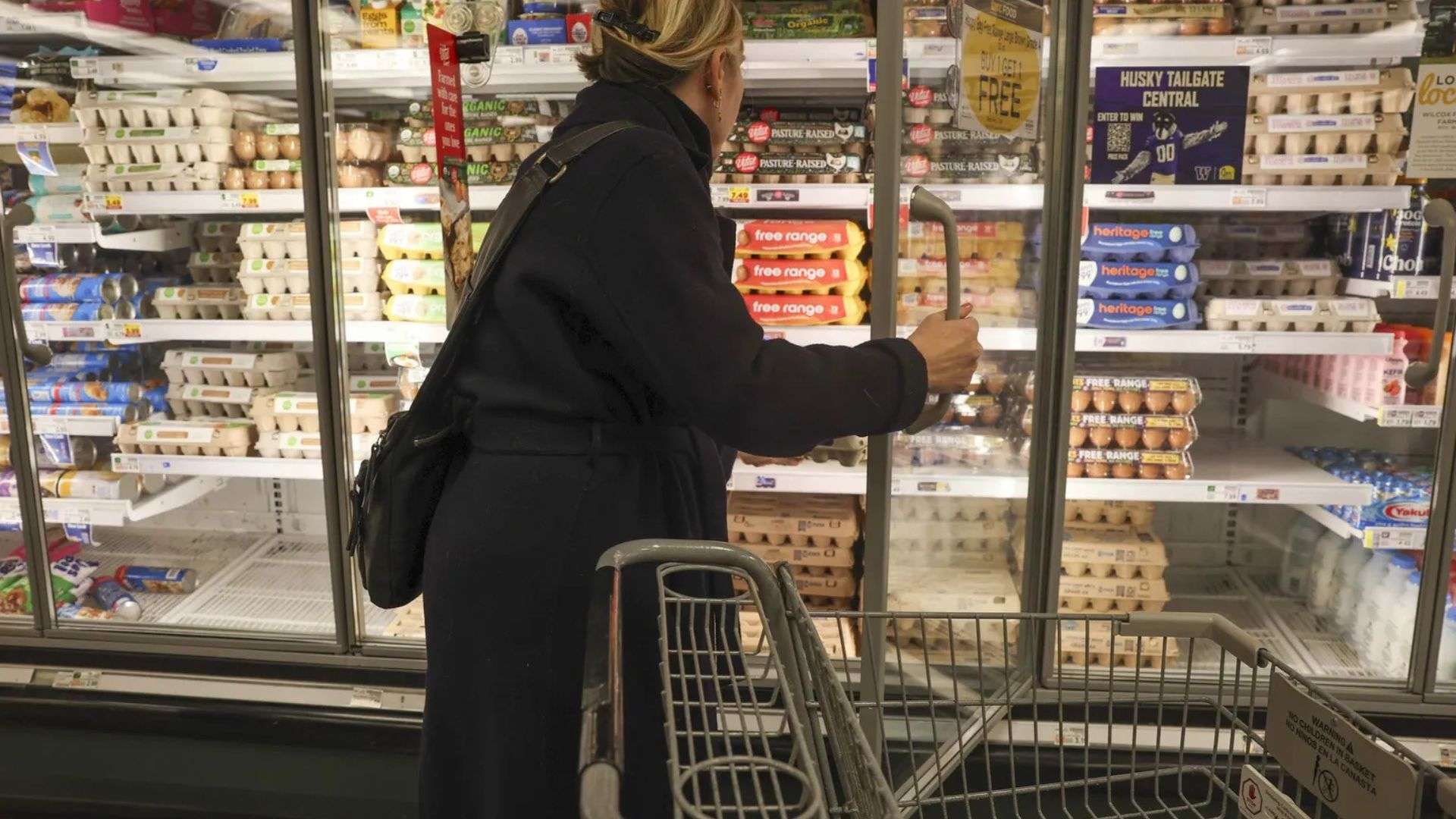
Consumer spending patterns in 2026 continue to show a K-shaped economy, but the divide between higher- and lower-spending households has narrowed. According to analysis from the Consumer Insights Studio, all consumer spending groups increased their spending during the first six months of 2026 compared with the same period last year. Higher-spending consumers continue to account for the largest share of growth, but lower-spending groups are also contributing.
The analysis also found stronger growth in discretionary purchases than in essential goods. Discretionary spending increased 3.9% year over year, compared with 2% growth in staples. Discretionary spending outpaced staples among six of the bottom eight spending groups, suggesting consumers across income levels continued to allocate money toward non-essential purchases despite generally weak economic sentiment.
Researchers suggest tax refunds may have helped support spending during the first half of the year. However, the outlook for the remainder of 2026 is less certain.
Oxford Economics analysis indicates that higher gas prices could eventually offset the benefit consumers received from larger tax refunds, potentially between July and August. At the same time, moderating wage growth and persistent inflation could place additional pressure on household budgets.
The spending trends point to a relatively strong first half of the year, but whether consumers can maintain that momentum will depend on how gas prices, wages, and inflation affect purchasing power in the months ahead.