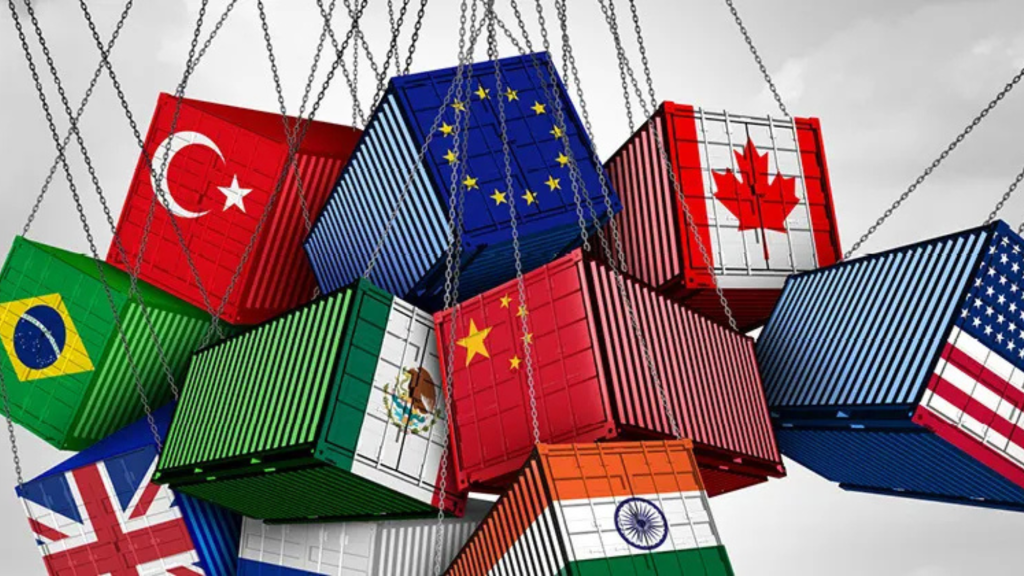
As April 2026 comes to a close, tariffs remain one of the most significant forces influencing the retail sector. While the U.S. Supreme Court struck down broad tariffs imposed under emergency powers earlier this year, trade policy has continued to evolve through narrower authorities, including targeted tariffs on steel, aluminum, copper derivatives, solar imports, and select manufactured goods. Those changes have kept import costs elevated across many retail categories.
For retailers, the biggest challenge is navigating uncertainty. Many businesses had anticipated relief following the court ruling and the launch of a federal refund system for previously collected tariffs. However, newly imposed duties and ongoing trade investigations have created a shifting landscape that continues to complicate pricing, sourcing, and inventory planning.
The impact on consumers has been uneven. Some retailers have absorbed higher costs to remain competitive, while others have passed portions of those costs in the form of higher prices on goods such as appliances, electronics, apparel, and home products. Economists note that tariffs often act as a cost burden on importers first, with downstream effects varying by product category and supply chain flexibility.
Looking ahead, retailers are expected to continue diversifying suppliers, reworking logistics networks, and closely monitoring trade policy developments. As of late April, tariffs are no longer just a trade issue. For retail businesses, they are a day-to-day operational consideration that affects margins, planning, and long-term strategy in a still-evolving economic environment.