A new category of retail policy is cropping up across the country, and Washington is squarely in the mix. By spring 2026, legislative trackers counted more than 40 bills across two dozen-plus states targeting what’s commonly called “surveillance pricing.” The practice (also called personalized, individualized, surge, or algorithmic pricing) allegedly uses data about a specific consumer including location, device, or purchase history, to tailor a price to that individual.
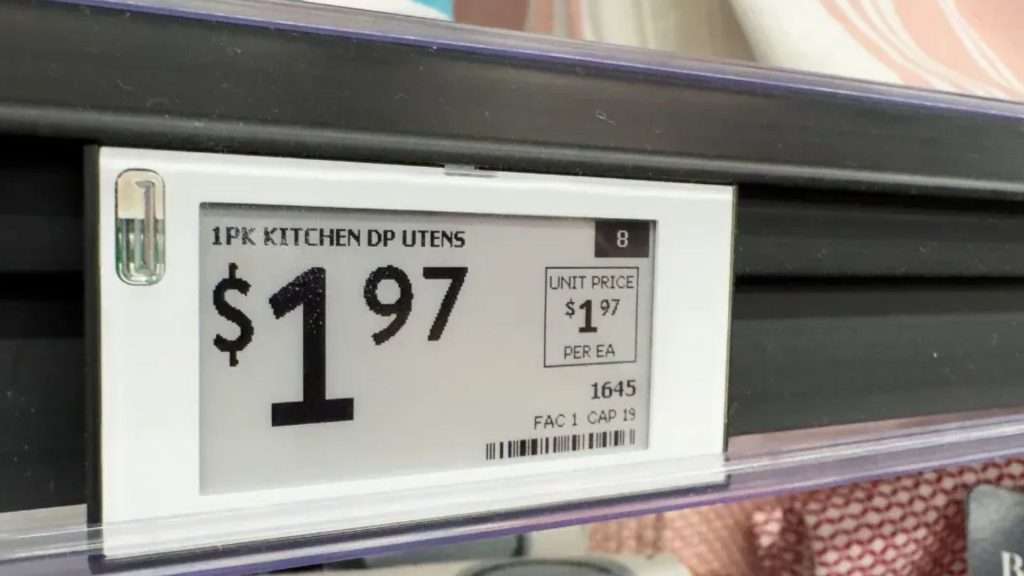
New York enacted the first disclosure law, requiring notice when an algorithm uses a shopper’s personal data to set a price, and Maryland became the first state to ban the practice outright for grocery and food delivery. Washington joined the wave this year: during the 2026 session, state lawmakers introduced companion bills (HB 2481 / SB 6312) with similar goals — banning data-driven personalized pricing on groceries, restricting surge pricing on essential goods, and banning the use of electronic shelf labels.
Now the issue is moving to the local level. The Seattle Mayor’s Office has signaled interest in pursuing a “Fair Pricing & Transparency” ordinance at the city level that would affect retailers, particularly grocers — and by default the customers they serve.
Where Washington Retail Stands
Washington Retail Association (WR) supports banning discriminatory pricing. The industry is not asking us to defend a policy of charging someone more for the same product because of who an algorithm thinks they are.
Our concern is how these policies are written — and here, the drafting isn’t a technicality. It’s the whole ballgame. Broad or ambiguous language can produce real unintended consequences for the very retailers and customers these measures intend to help:
- It can sweep in ordinary, pro-consumer practices. Definitions that don’t distinguish individualized pricing from routine store-level or demand-based pricing risk banning loyalty discounts, digital coupons, senior and student pricing, and markdowns on food nearing its sell-by date. The likeliest response to legal uncertainty isn’t more transparency, it’s limiting or pulling personalized discounts from the market altogether, leaving shoppers paying more.
- It can create litigation exposure that outruns the harm. Broad, ambiguous rules enforced through civil litigation can balloon far beyond any actual consumer injury — pressure that lands hardest on thin-margin grocers.
- It can chill legitimate activity and useful technology. When retailers can’t tell which everyday practices are lawful, they could ban practices that benefit consumers.
None of this argues against acting. It argues for acting precisely: defining prohibited conduct narrowly, protecting the practices consumers rely on, and calibrating enforcement to real harm.
The retail community is aligned on the goal. Whether these measures protect consumers or produce collateral damage for the stores and shoppers they’re meant to help comes down to the words on the page. WR is committed to working with lawmakers at every level to get this policy right.
WR is tracking surveillance pricing proposals at the city, state, and national level. Questions about how these and other policy proposals could affect your business? Contact the WR Policy & Government Affairs team.