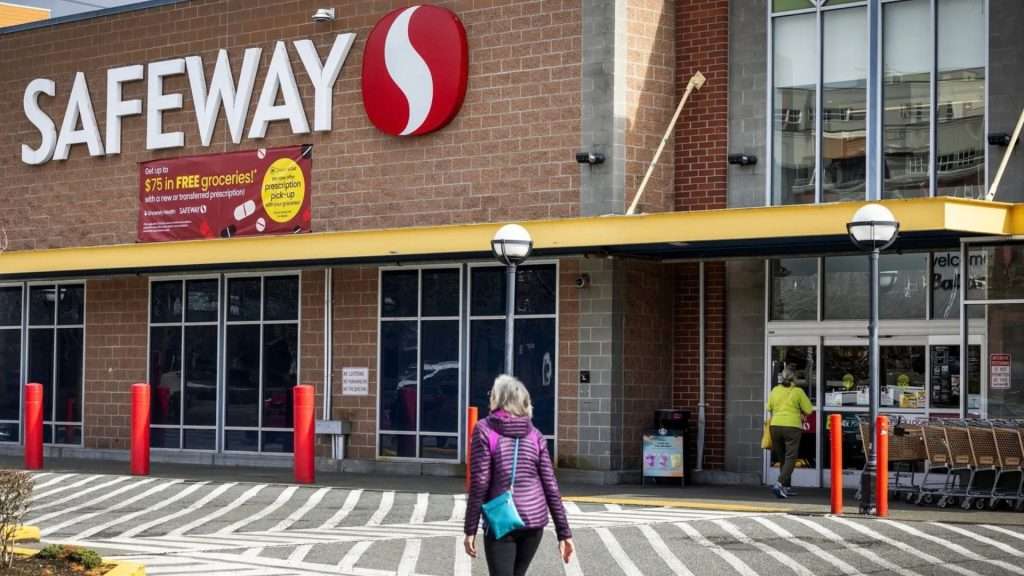
Image: Shoppers head into the Safeway in Ballard. (Ken Lambert / The Seattle Times, 2024
Sep. 22, 2026
By The Seattle Times editorial board
No grocery store should use shoppers’ personal data to charge them more. On that, Seattle Mayor Katie Wilson, Councilmember Alexis Mercedes Rinck, the grocery workers’ union and the grocery industry all agree. That consensus could be the foundation of a city ordinance if the City Council lets it.
The current version of the Fair Pricing and Transparency Ordinance abandons that consensus. When it comes up for a vote, expected Tuesday, council members should demand substantive changes before passage.
Wilson and Rinck are pushing the ordinance, which would prohibit chain grocers with 20 or more locations worldwide from using personal data to set individualized prices and discounts. It also would cover delivery services such as Instacart. The rules still would allow discounts open to everyone, such as senior or bulk-purchase deals.
The ordinance could open grocers to a wave of lawsuits. It would let anyone claiming “tangible or intangible harm” file suits seeking up to $1 million in penalties. The industry says that such broad language could include people who never even bought an item. Grocers might therefore abandon personalized discounts, even loyalty programs to avoid legal jeopardy.
A statewide approach makes more sense when people can find cheaper groceries in the next town or county over. Grocery stores in Bellevue and Shoreline could benefit at the expense of Seattle stores. Meanwhile, Seattle could lose sales tax revenue as those shoppers buy their beer, wine and other taxable sundries outside the city, too.
Yet the Washington Legislature declined to pass a statewide ban this year. Only three states have done so, all in 2026. This is uncharted territory with the potential for expensive unintended consequences. Given that the ordinance would not take effect until September 2027, waiting to see what happens in those states and in Olympia costs nothing.
If this were just a ban on increasing prices based on personal data and shopping history, few would object. The problem is that the ordinance could lead grocers to curtail or eliminate discounts and coupons, too. Supporters blur this distinction, but it is real. Families that use targeted coupons to save money could lose out. So could startup brands that use discounts to encourage consumers to try their products.
Deceptive discounts are a problem, but state law already covers them. The state is suing Albertsons over allegedly fake BOGO offers.
A few amendments would make the ordinance stronger. Limit lawsuits to people who actually paid the challenged price and protect discounts the ordinance expressly allows. Strengthen the transparency provisions by giving people an easy way to quit loyalty programs and to have their data wiped. Require stores to explain up front how they use data.
At a time when affordability is a top priority, the city should not adopt an untested ordinance that could leave shoppers paying more.
The Seattle Times editorial board: members are editorial page editor Kate Riley, Ryan Blethen, Melissa Davis, Josh Farley, Alex Fryer, Claudia Rowe, Carlton Winfrey, Frank A. Blethen (emeritus) and William K. Blethen (emeritus).