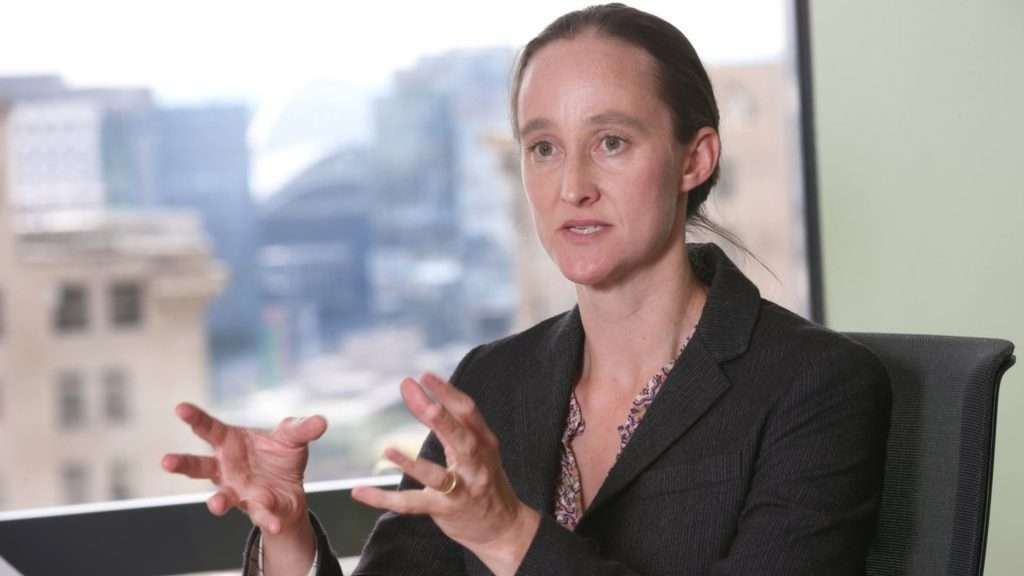
Seattle Mayor Katie Wilson’s proposal to allocate $1.7 million for additional security at private grocery stores has drawn criticism from those who argue that security staffing alone will not adequately address retail theft.
In a September 28 opinion piece, The Washington Times editorial board questioned whether the proposed funding would meaningfully reduce shoplifting without broader efforts to address property crime and strengthen law enforcement. The editorial argued that private security guards have limited authority compared with police, particularly when it comes to making arrests.
The article cited Seattle’s property crime rate, reporting that it was approximately 184% above the national average. It also pointed to changes in police staffing, which declined from 1,424 officers in 2019 to 1,054 in 2024 before partially recovering.
The editorial connected retail theft to broader public safety challenges, including drug use, addiction and homelessness. It argued that addressing these issues, alongside enforcement, should be part of a comprehensive strategy to reduce theft and improve conditions for businesses and residents.
The proposal comes amid continuing debate over how cities should respond to retail crime while balancing public safety, social services and the needs of vulnerable populations. Approaches to theft prevention can include private security, improved store surveillance, police response and programs addressing underlying causes of criminal behavior.
The opinion piece criticized Wilson’s approach as insufficient, contending that additional store security would not resolve the broader conditions contributing to retail theft. However, the article did not provide details about the proposal’s implementation, anticipated outcomes, or how the funding would be evaluated.
The debate highlights a broader policy question for local governments and retailers: how to allocate resources among store-level security, law enforcement, and social services to reduce theft and improve public safety.
This article summarizes an opinion piece published by The Washington Times. Its characterizations of the mayor’s policies and political ideology reflect the editorial board’s views.