Retail technology and pricing practices are receiving increased attention from Washington state lawmakers as policymakers examine loyalty programs, personalized pricing, consumer data and electronic shelf labels.
Retail is a highly competitive industry, with more than 600,000 unique retailers nationwide. Retailers generally operate on thin margins and must respond to consumer demand, competition, and changing market conditions. Loyalty and rewards programs are one tool retailers use to compete, offering discounts and other benefits to customers who voluntarily participate.
Washington is among the states considering policies related to consumer data, algorithms, and personalized pricing. Retail industry representatives have raised concerns that broad or unclear definitions could unintentionally restrict loyalty and rewards programs that provide savings to consumers.
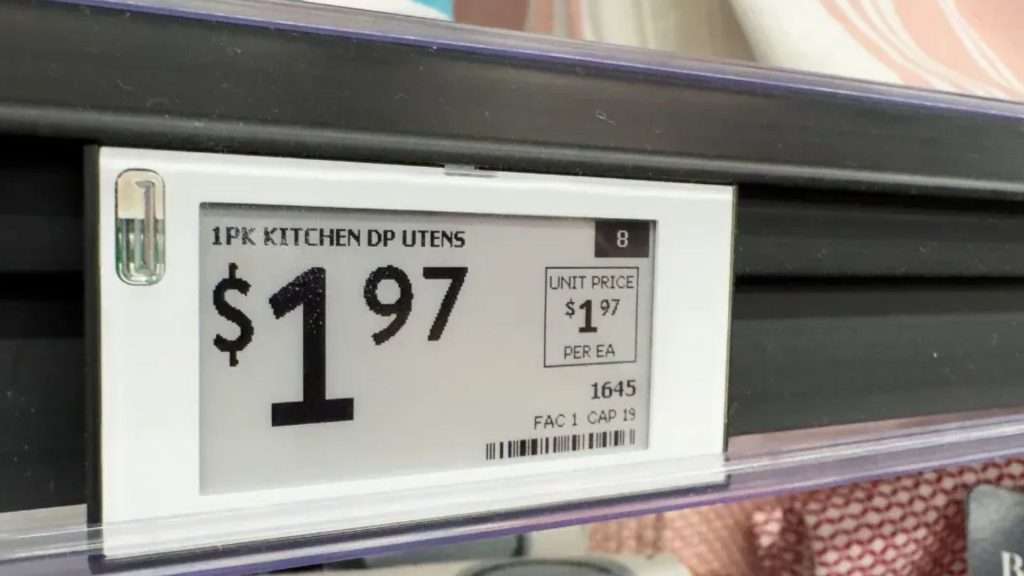
Electronic shelf labels are another area of focus. These digital price tags allow retailers to update shelf prices electronically, improving accuracy, and helping employees manage inventory and online orders. According to the National Retail Federation, electronic shelf labels do not track individual shoppers or connect to consumers’ devices to determine prices in real time. Store employees and managers control price changes.
Retailers already operate under numerous consumer protection requirements, including antitrust, privacy, civil rights, and truth-in-advertising laws. As Washington lawmakers consider additional regulation, the industry is examining whether targeted enforcement and narrowly tailored changes can address consumer concerns without limiting retailers’ ability to compete and innovate.
Understanding how these technologies and pricing practices work in real-world retail settings can help inform the policy discussion and ensure consumer protections are balanced with retailers’ ability to offer competitive prices and savings.