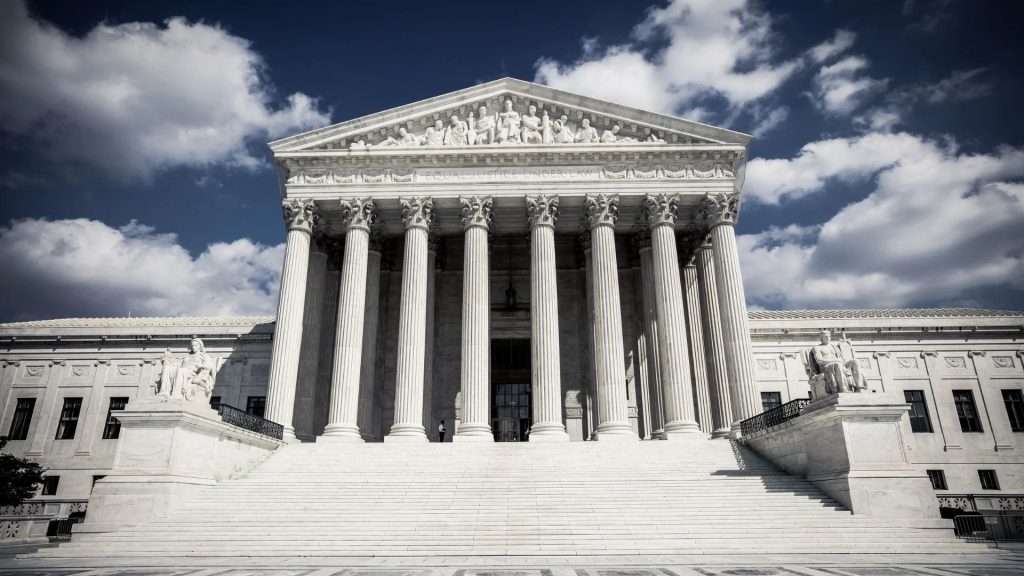
The Retail Litigation Center (RLC) is asking the U.S. Supreme Court to review a federal court ruling that allows damages class actions to include individuals who may not have suffered an injury.
In an amicus brief filed in The Kroger Co. v. Solano, the RLC argues that including uninjured individuals in certified damages classes conflicts with Article III of the U.S. Constitution and Federal Rule of Civil Procedure 23. The organization is seeking review of a Ninth Circuit Court of Appeals decision and resolution of differing approaches among federal appeals courts.
The issue has significant implications for retailers, according to the RLC, because class actions can involve thousands or millions of consumers and expose businesses to substantial litigation costs and potential liability. The size of a certified class can influence whether a company chooses to settle a case or continue defending it.
RLC President Monica Welt said including individuals who cannot demonstrate an injury may increase the size of a class beyond the actual harm involved. The organization argues that determining which individuals experienced an injury before class certification would help ensure that the scope of a case reflects the claims being pursued.
Retailers frequently face class action lawsuits involving antitrust, product liability, consumer protection, and data privacy. These cases can raise questions about individual customer experiences, including what consumers purchased, saw, understood, or experienced. Businesses may also lack detailed records of every customer transaction or refund, potentially complicating efforts to determine who qualifies as an injured class member.
The RLC contends that including uninjured individuals can increase litigation expenses and create additional settlement pressure for defendants. It argues that Supreme Court review could provide greater consistency and clarity for courts and businesses nationwide.
The Supreme Court has been asked to take up the case. The RLC’s filing presents the organization’s position on class certification and does not establish a final ruling on the issue. The Court’s consideration would determine whether it reviews the dispute and potentially addresses the disagreement among federal courts.