A proposed King County ordinance would require certain businesses and organizations in unincorporated areas of the county to separate organic waste on site and arrange for its collection, raising potential operational and compliance concerns for affected organizations.
The proposal applies to locations within the state’s designated organics management area that generate at least 96 gallons of organic material per week. The definition of “business” includes retailers, restaurants, hotels, schools, hospitals, churches, nonprofits, and other organizations.
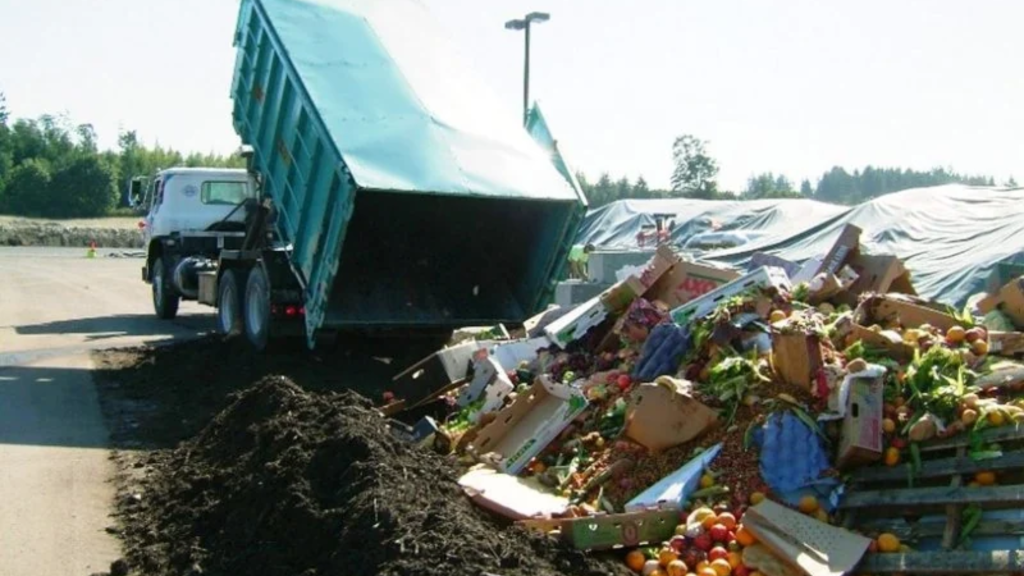
Covered locations would need to separate organic materials before they leave the property, subscribe to an organics collection service, keep food packaging and packaged food out of organics containers, and maintain contamination levels at or below 5% by volume. Covered materials include food scraps, spoiled and prepared food, food-soiled paper, and yard, plant and wood waste. The ordinance’s definitions could also encompass cardboard, paper, and wood pallets.
The requirements could mean additional collection containers, storage constraints, employee training, and measures to manage odors and pests. Food retailers could face additional handling requirements for expired or damaged packaged products.
Under the proposal, containers exceeding the contamination threshold could trigger violations, including when contamination results from customers, the public or neighboring tenants. County staff could inspect following complaints and assess contamination visually. After a notice letter and notice of violation, penalties could range from $500 to $1,000 per day. Annual penalties would be capped at $10,000 for small businesses, while larger or multi-location operators would not have that cap.
The ordinance passed the King County Council’s Transportation, Economy, and Environment Committee in late August. The full Council has yet to vote, leaving an opportunity for affected organizations to provide input.
As written, the ordinance would take effect Jan. 1, 2027, coinciding with the deadline for the county’s rules. Businesses can check whether an address falls within the designated area using the Washington State Department of Ecology’s Business Organics Management Areas map and review the proposed ordinance.