Image: Governor’s Office
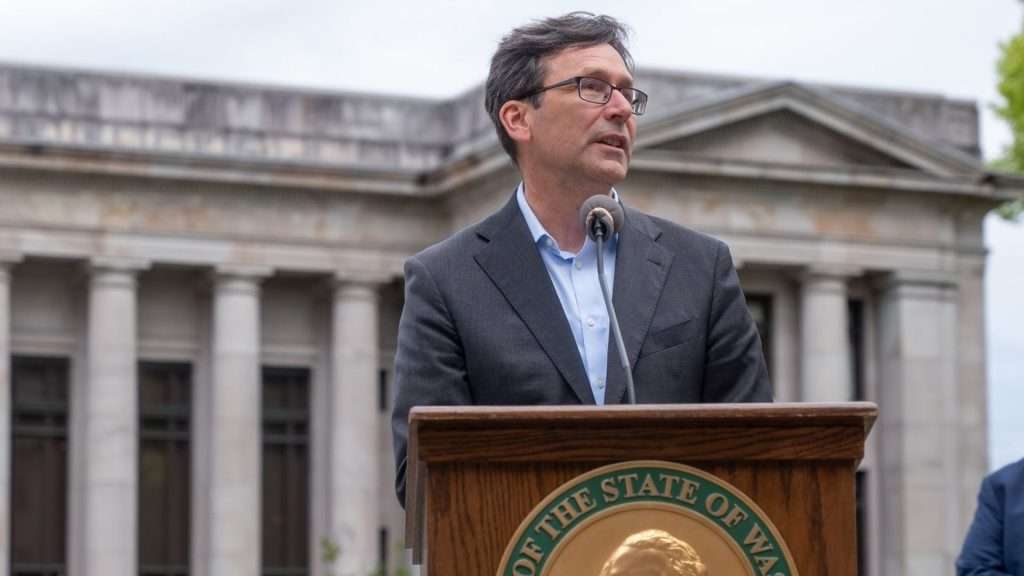
Gov. Bob Ferguson has signed an executive order creating a 26-member Governor’s Economic Development Council to advise his administration on improving Washington’s economic competitiveness and shaping a statewide development strategy due next year. The announcement comes as state leaders confront signs of economic strain, including slower-than-expected job growth, an unemployment rate above the national average, and continued layoffs in the technology sector. Some businesses have also raised concerns about leaving the state amid cost and regulatory pressures.
The council will bring together leaders from business, labor, and government, including representatives from major employers such as Microsoft, Boeing, and T-Mobile, as well as labor organizations and state officials. Ferguson said the group is intended to provide candid discussion and practical recommendations on how Washington can strengthen job creation, attract new businesses, and address barriers to growth. The governor said he plans to attend each quarterly meeting and noted the state has not convened a similar panel in about two decades.
State fiscal challenges are also shaping the backdrop for the effort. Washington has faced recent and regular budget shortfalls addressed through a mix of large tax increases and limited spending cuts, and credit rating agencies have cautioned about reliance on one-time budget solutions. A further gap is projected in 2027. Ferguson said maintaining the state’s strong credit rating is a priority as he prepares his first two-year budget proposal.
Business groups have expressed concerns about rising costs, regulatory complexity, and policy uncertainty. Recent survey data cited by business organizations indicates many employers view taxes as a major challenge, with a significant share expecting a possible recession in the coming year. At the same time, some leaders have pointed to the need for more predictable policy conditions to support investment and hiring decisions.
Ferguson said the council will also evaluate Washington’s competitiveness compared to other states and identify strategies to improve economic performance. While acknowledging challenges, he said Washington retains strong economic fundamentals and productivity. He emphasized that future policy decisions should better reflect their impact on businesses and overall job creation across the state.